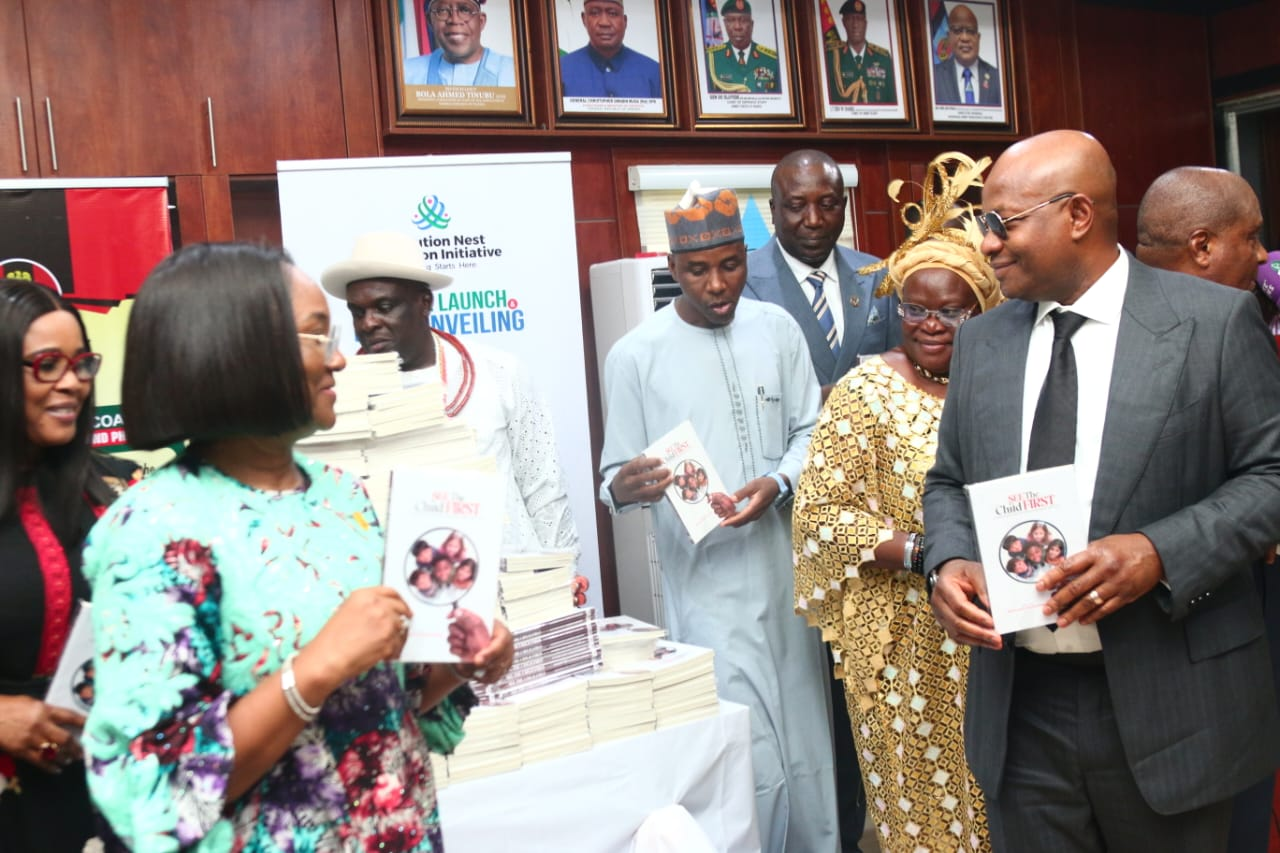
The President of the Alumni Association of the National Institute (AANI), Ambassador Obi Okafor, has called for greater commitment to inclusive education and support for children with diverse learning, developmental and behavioural needs in Nigeria.
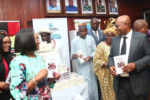
He made the call in a speech at the official launch of the Soulution Nest Education Initiative, SENI, and the unveiling of its book, See the Child First.
Ambassador Okafor said the Nigerian education system must move beyond labelling children who learn or develop differently and adopt approaches that recognise their individual needs and abilities.
He stressed that every child deserves to be understood, supported and given the opportunity to realise their full potential.
The AANI President described SENI as an initiative aimed at advancing inclusive education, strengthening support systems and empowering parents, teachers and communities to work together in addressing the challenges faced by children with diverse needs.
He urged parents whose children have been misunderstood or overlooked to remain hopeful, noting that every child has a story and deserves recognition.
Ambassador Okafor said the book, See the Child First, promotes a shift in perspective by encouraging society to look beyond a child’s behaviour or developmental challenges and recognise the individual behind them.
According to him, every child deserves dignity, acceptance and equal opportunities to thrive.
He noted that the choice of October 10, which is observed globally as World Mental Health Day, underscored the importance of addressing the mental, emotional and developmental well-being of Nigerian children.
Ambassador Okafor called on governments, schools, families and communities to treat the issue as a shared responsibility rather than a private family concern.
The President Alumni Association of the National Institute formally declared open the Solution Next Education Initiative and unveiled the book, See the Child First, expressing hope that the initiative would improve the lives of children and families across the country.
He called for a society that recognises every child, supports every family and leaves no one behind.
Inclusive learning beyond classroom admission
In a remark, Taraba State Governor, retired Colonel Agbu Kefas, stressed that inclusion must go beyond admitting children into classrooms to involving trained teachers, appropriate learning support and an environment where every child feels accepted and valued.
The governor urged parents, schools and public institutions to understand children before judging them and to provide support rather than exclude them.
He expressed hope that the initiative would inspire practical action to ensure that no child is left behind.
Teachers to adopt child-friendly teaching approaches
The Initiator of the Soulution Nest Education Initiative, Mrs Henrietta Ikediashi, emphasised the need for teachers to adopt child-friendly approaches, stressing that connection and understanding should come before correction.
She explained that children who display challenging behaviours may be communicating unmet needs and should not be labelled as disobedient or bad.
Mrs Ikediashi outlined plans by the initiative to conduct awareness campaigns across the country, organise an international conference in Abuja and establish a therapy centre and a specialised school for children with diverse learning needs.
She also said the initiative would promote the use of therapeutic media, including music, pictures and sound, to support children’s learning and development.
Mrs Henrietta Ikediashi called on parents, teachers, schools and communities to work together to ensure that no child is abused, excluded or left behind.
Inclusive learning to help every child thrive
The Trustee of the Solution Nest Education Initiative, Olufunke Amos, stressed that children should not be defined by their conditions or behaviour, but should be given the opportunity to learn and thrive.
Mrs Amos added that the initiative aims to support children, families and educators while encouraging schools to adopt more responsive teaching methods.
The initiative trustee said the book, See the Child First, promotes understanding, dignity and acceptance for every child. She noted that challenging behaviour could reflect an unmet need, adding that families require support and understanding rather than judgement.
Mrs Amos called on governments, schools, families, communities and the private sector to support inclusive education.